
When you hire a professional caregiver you want them to take your children on enriching outings. You want them to visit the local science museum, grab a healthy lunch at the park and pick up emergency diaper cream when the supply suddenly runs dry.
However those daily activities cost money. If you expect your employee to cover those expenses out of their own pocket and wait weeks for a reimbursement you are creating unnecessary financial stress and breeding resentment.
Managing a nanny petty cash fund or providing a dedicated household card keeps your budget organized and empowers your caregiver to manage the day smoothly. In 2026 modern parents have moved away from leaving crumpled twenty-dollar bills on the kitchen counter in favor of streamlined digital tracking. In this guide we will walk through the best ways to fund daily activities, how to track receipts and how Inhome Care Solutions helps you set clear financial boundaries.
Why You Need a Dedicated Expense System
Mixing your caregiver’s personal money with your household expenses is a recipe for accounting chaos.
When a nanny pays for a child’s lunch using their own debit card they have to save the receipt, present it to you and wait for you to add it to their paycheck. This creates extra administrative work for everyone involved. Providing a dedicated payment method upfront ensures that all childcare expenses are kept completely separate from payroll.
This financial separation becomes especially critical when you are calculating nanny mileage reimbursement or preparing your year-end taxes. The Internal Revenue Service requires strict documentation to differentiate between employee reimbursements and taxable wages.
Option 1: The Traditional Petty Cash Jar
For families who prefer to keep things simple the traditional cash envelope still works.
You withdraw a set amount of cash each Monday morning and place it in a designated drawer. Your nanny uses this cash for small incidentals like ice cream treats or parking meters. The golden rule here is accountability. Your caregiver must return the exact change alongside physical receipts for every single purchase before you replenish the fund the following week.
Option 2: Authorized Household Credit Cards
If your caregiver handles weekly grocery shopping or enrolls your children in expensive extracurricular classes a credit card is much safer than carrying large amounts of cash.
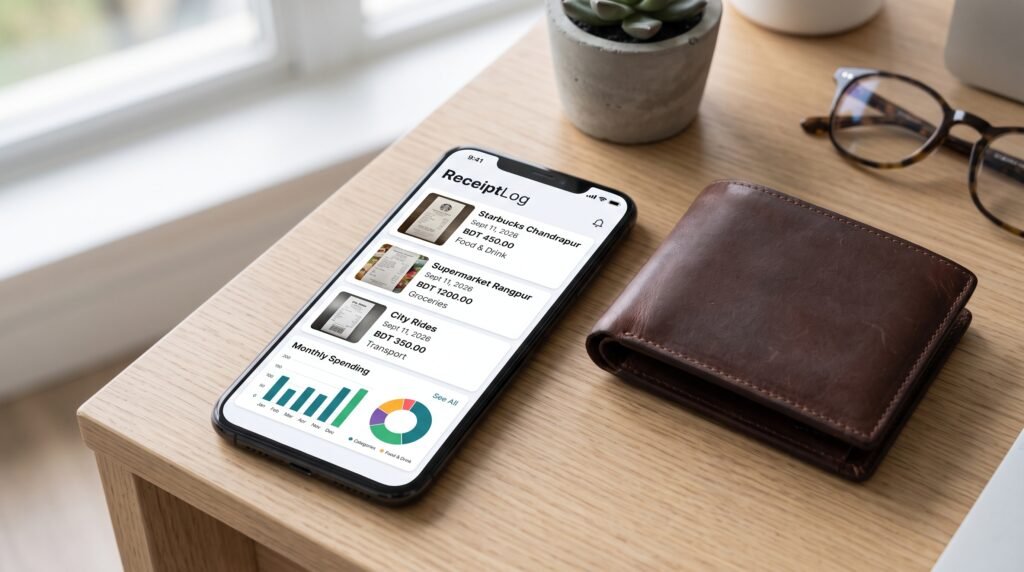
You can add your nanny as an authorized user to a dedicated household credit card. This allows you to log into your banking app and monitor all spending in real time. To protect your family finances experts at the Federal Trade Commission recommend setting a strict credit limit on the authorized card to prevent accidental overspending.
If your nanny handles complex daily logistics like grocery runs you should map out those specific duties in your nanny daily schedule so everyone is on the same page.
Option 3: Digital Reloadable Debit Cards
In 2026 the most popular method for managing household expenses is the reloadable prepaid debit card.
These digital cards can be loaded directly from your smartphone app. If your nanny takes the kids to the zoo you can instantly transfer fifty dollars to the card. If the card is ever lost or stolen it is not linked to your primary bank account which provides an incredible layer of financial security.
Setting Clear Spending Boundaries
Regardless of which payment method you choose you must establish clear rules regarding what qualifies as an approved purchase.
Can your nanny buy themselves a coffee while picking up snacks for your toddler? Can they purchase a museum membership without calling you first? Detail these exact spending limits and approval thresholds in your formal nanny contract before their first day on the job.
Frequently Asked Questions
While you are not legally required to buy their lunch it is standard etiquette to cover your caregiver’s meal if you require them to eat at a specific restaurant with your children.
No. Mileage reimbursement must be calculated based on the standard federal rate and paid out separately to ensure strict tax compliance.
Establish a grace policy for rare mistakes but make it clear that chronic missing receipts will result in a suspension of their petty cash privileges.
Yes. Digital cards leave a clear electronic paper trail, can be frozen instantly if lost and eliminate the need for your employee to carry vulnerable cash.
Conclusion
Setting up a streamlined expense tracking system gives your caregiver the freedom to create wonderful memories with your children without carrying a financial burden. When you establish clear spending boundaries you eliminate awkward money conversations and build a foundation of deep professional trust. When you are ready to find elite childcare professionals who manage your household resources responsibly, you can easily connect with our team directly through our contact page to begin your journey with Inhome Care Solutions.