
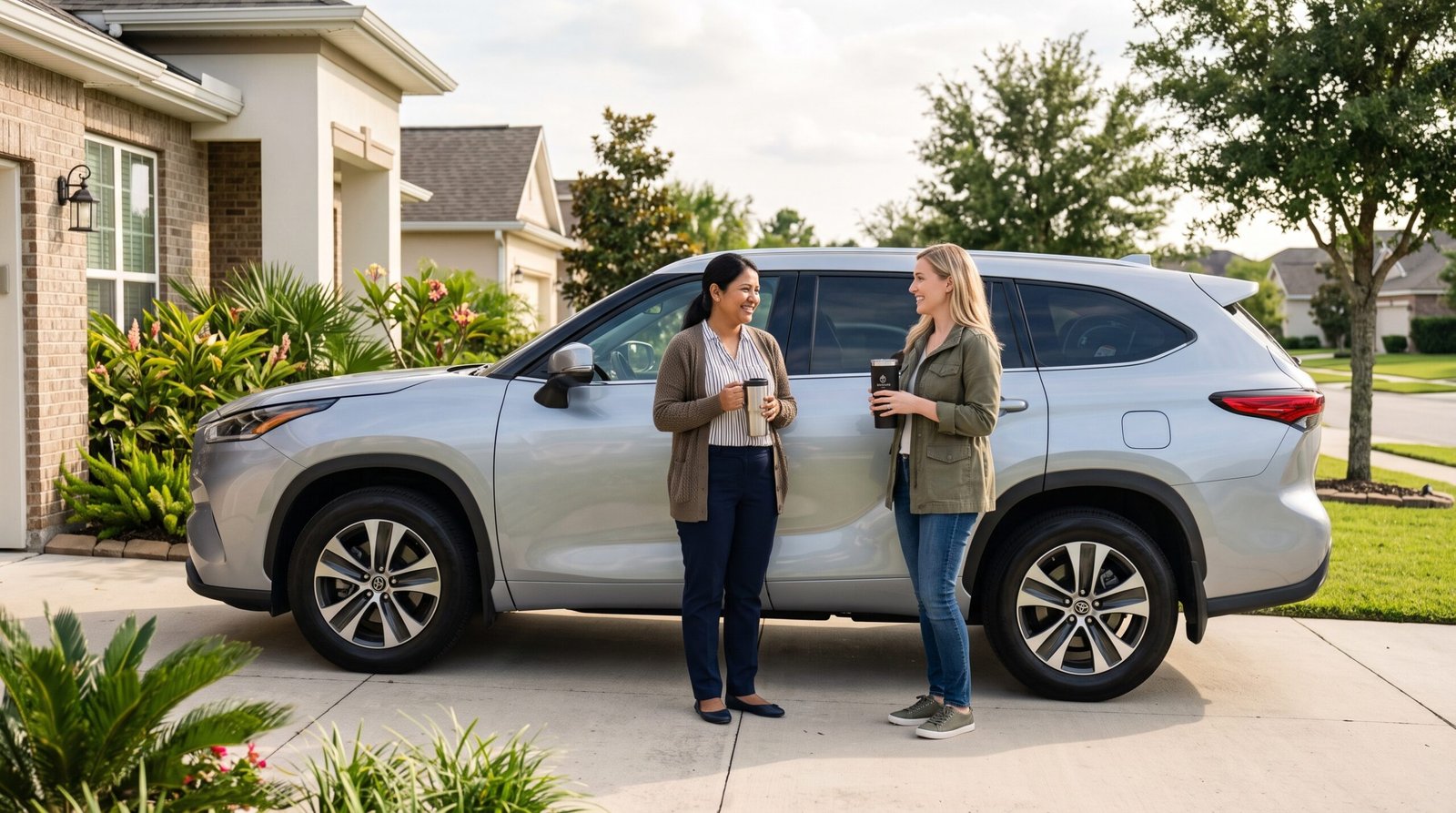
When you hire an in-home caregiver you are not just employing someone to watch your children inside the house. Many families require their nanny to drive children to school, transport them to soccer practice or run household errands.
If your nanny uses their own personal vehicle for these tasks you must compensate them for the wear and tear on their car. Asking an employee to subsidize your family’s transportation costs out of their own pocket is unfair and unprofessional. Establishing a clear mileage reimbursement policy protects your caregiver financially and keeps your household compliant with standard employment practices. In this guide we will walk through exactly how to track driving expenses and apply current federal rates.
Why Mileage Reimbursement Is Necessary
Driving kids to the park sounds simple until you factor in the skyrocketing cost of gasoline, tire replacements and routine oil changes.
When a caregiver uses a personal vehicle for work duties they take on additional financial depreciation. Federal employment guidelines encourage fair reimbursement structures to ensure domestic workers do not effectively take a pay cut simply by performing their assigned duties. Reimbursing mileage is a standard benchmark of professional household management.
The 2026 IRS Standard Mileage Rates
To make reimbursement simple the federal government establishes a standard business mileage rate every year.
For 2026 the Internal Revenue Service implemented a mid-year adjustment to account for fluctuating economic costs. From January 1 through June 30 the official rate is 72.5 cents per mile. Effective July 1 the rate increases to 76 cents per mile. This specific rate is designed to cover gas, vehicle depreciation, routine maintenance and auto insurance.
Reimbursing your employee at this exact federal rate ensures the payment is classified as a non-taxable reimbursement rather than taxable income.
Commuting Versus On-The-Job Driving
One of the most common points of confusion for new employers involves figuring out exactly which miles qualify for reimbursement.
You are only required to reimburse miles driven while your caregiver is actively on the clock fulfilling job-related tasks. This includes driving your child to a pediatrician appointment, picking up groceries for the household or running errands on your behalf.
You are never responsible for your employee’s daily commute. The drive from their personal home to your house at the beginning of the day and the drive back home at the end of their shift are entirely their own financial responsibility.
To ensure your overall compensation policies align with legal standards check out our guide on nanny overtime laws and tax compliance.
How to Track and Pay Mileage Expenses
Do not rely on rough estimates or memory to calculate driving expenses.
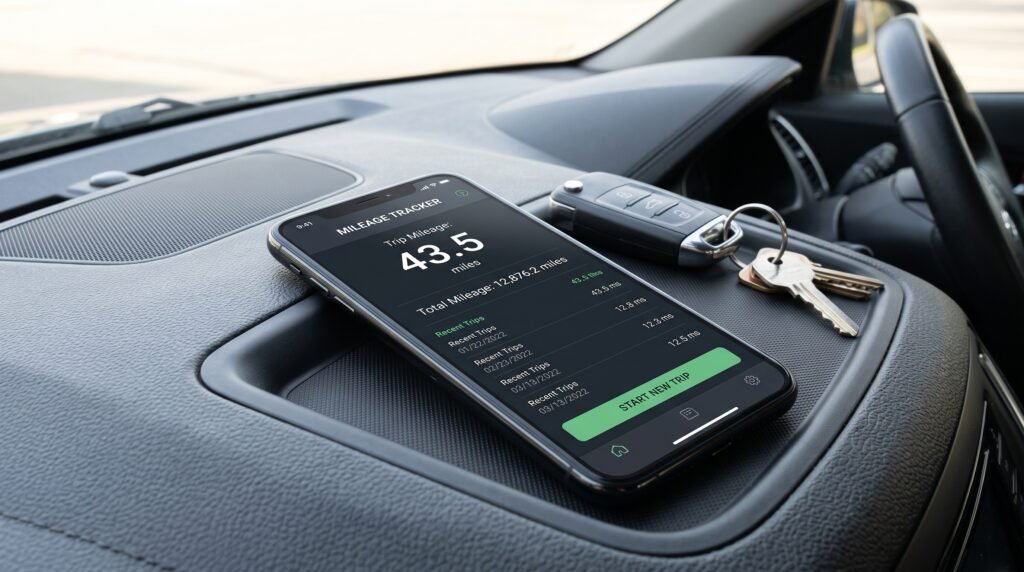
Require your caregiver to use a digital mileage tracking app or a simple written logbook kept in their glove compartment. They should record the date, the purpose of the trip and the exact number of miles driven. You should review this log and disburse the reimbursement funds alongside their regular paycheck. Keep these funds completely separate from their hourly wages to maintain clean tax records.
If you need help incorporating this language into your employment paperwork review our comprehensive guide on drafting a nanny contract.
Frequently Asked Questions
No. As long as you reimburse your employee at or below the official IRS standard rate the funds are completely non-taxable.
If your nanny drives a vehicle owned by your family you do not pay mileage reimbursement. You simply pay for the gas and maintenance directly.
A flat stipend is strongly discouraged because it is legally classified as taxable income and rarely reflects the true cost of vehicle wear and tear.
Yes. Your caregiver should inform their auto insurance provider that they use their vehicle for work purposes to ensure proper liability coverage is active.
Conclusion
Driving duties expand your child’s world but they require clear financial boundaries. By tracking miles accurately and utilizing standard federal rates you build a transparent and respectful working relationship with your caregiver. When you are ready to find elite professionals who manage driving duties safely and responsibly you can easily connect with our team directly through our contact page to begin your journey with Inhome Care Solutions.