Toddlers are tiny emotional dictators who demand absolute predictability. If you try to wing your childcare routine without a solid plan you will quickly end up with skipped naps, missed meals and a living room that looks like a toy factory exploded.
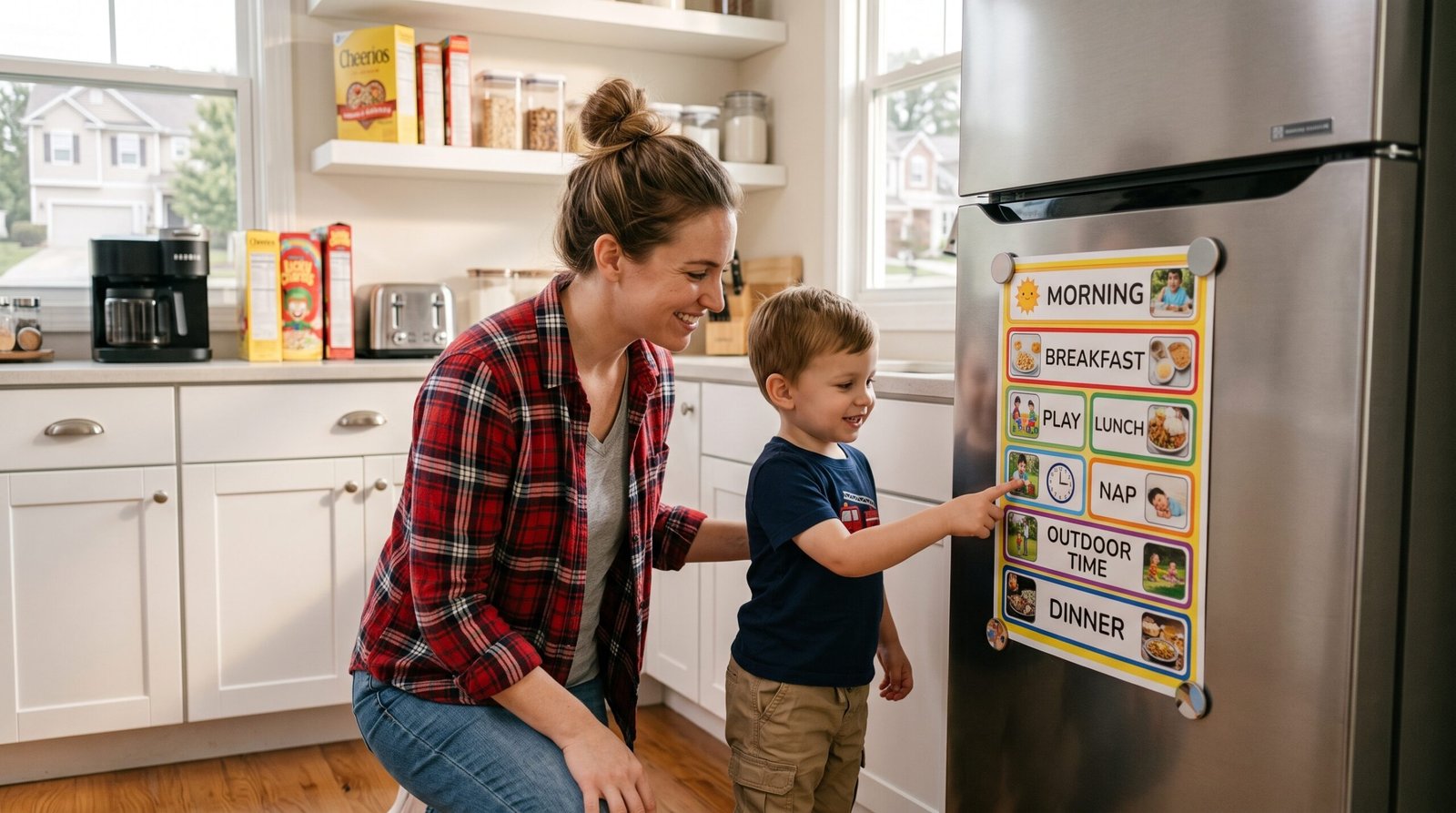
When you invite an elite childcare professional into your home you need to provide them with a structural roadmap.
A clear nanny daily schedule eliminates all the guesswork from the workday. It ensures your children receive balanced enrichment while giving your caregiver the autonomy to manage the household confidently. In 2026 modern parents rely on digital logs and structured activity blocks to keep everyone on the same page. In this guide we will walk through how to build a realistic schedule, what to include in a daily log and how Inhome Care Solutions sets your household up for success.
Why a Structured Routine Is Essential
Children of all ages find deep comfort in knowing exactly what comes next. A predictable routine lowers their baseline anxiety and drastically reduces the frequency of behavioral meltdowns.
Providing your caregiver with a written framework allows them to take charge immediately. They will not have to text you every hour asking when the baby should eat or where the stroller is kept. Outlining these daily expectations should actually begin during the hiring phase when you draft your nanny job description. According to early childhood education specialists at the National Association for the Education of Young Children, consistent daily rhythms are critical for healthy cognitive development.
Balancing Structure With Creative Flexibility
A schedule should be a helpful guide rather than a rigid military timetable.
If your toddler is deeply engaged in building a massive block tower at 10:00 AM your nanny should not force them to stop just because the paper schedule says it is time for music. Encourage your caregiver to follow your child’s natural interests while maintaining the larger structural pillars of the day like nap times and major meals.
If you are currently working from home with a nanny, it is especially important to align your own schedule with these major transitions to avoid disrupting playtime.
Essential Elements of a Nanny Daily Log
A daily log serves as the ultimate communication tool between you and your employee. Whether you use a physical notebook left on the kitchen counter or a shared smartphone app the log should capture the most vital metrics of the day.
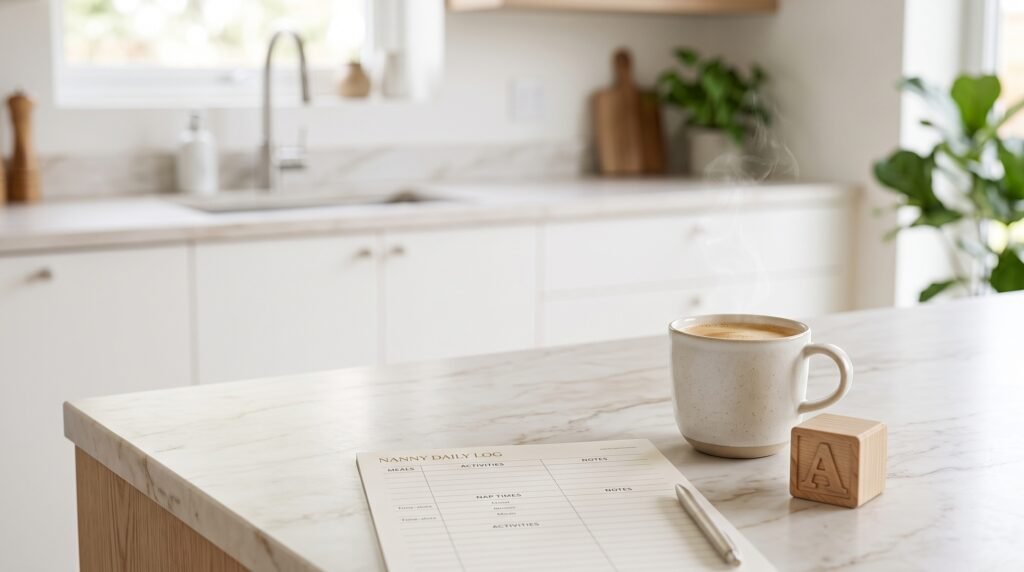
For infants the log must track exact bottle feeding amounts, diaper changes and sleep windows. For older toddlers the log should document mood shifts, lunch consumption and specific enrichment activities completed. Reviewing this log together at the end of the day ensures you are fully briefed before your nanny heads home.
Age-Appropriate Activity Blocks
Do not simply write down play time for a three-hour window. Break the day into engaging thematic blocks to keep both the child and the nanny energized.
- Morning Outdoor Block: Hit the local park or take a neighborhood walk to burn off early energy.
- Focused Learning Block: Incorporate sensory bins, puzzle solving or age-appropriate craft projects.
- Independent Play Block: Encourage children to play safely by themselves while the nanny supervises from a slight distance to foster independence.
- Quiet Wind-Down Block: Utilize reading corners and soft music to transition smoothly into naptime. Guidelines from the American Academy of Pediatrics strongly recommend avoiding electronic screens during these critical wind-down periods.
You can reinforce these habits by establishing firm nanny screen time rules in your employment contract.
Frequently Asked Questions
Parents should outline the non-negotiable pillars like sleep and meals while giving experienced nannies the creative freedom to design the daily enrichment activities.
When your child is sick all rigid schedules go out the window. Prioritize hydration, extra sleep and comfort over standard educational blocks.
It depends entirely on your household preference. Digital apps offer real-time updates while you are at the office but a paper log prevents excessive smartphone usage around the children.
Routines change rapidly during the first two years of life. Reevaluate the schedule every few months as your child drops naps and transitions to solid foods.
Conclusion
A well-crafted daily schedule empowers your caregiver to deliver the highest quality of attentive care while keeping your children happy and secure. When you want to streamline your household routines or find elite childcare professionals who excel at managing complex family schedules, you can easily connect with our team directly through our contact page to begin your journey with Inhome Care Solutions.