

December rolls around and suddenly you realize your amazing caregiver has survived another year of sticky fingerprints, toddler tantrums and chaotic schedule changes. Naturally you want to show your appreciation, but a lingering question pops into your head: how much are you actually supposed to give?
Unlike corporate offices with automated holiday bonus pools, household employers have to navigate year-end gifting entirely on their own.
Establishing a clear nanny bonus structure removes all the awkward guesswork. In 2026 professional domestic employment standards treat year-end bonuses as a key part of total compensation and retention. In this guide we will break down standard bonus rates, tax considerations and how Inhome Care Solutions helps you reward excellence.
What Is the Standard Nanny Holiday Bonus?
In the professional domestic employment market, the traditional rule of thumb is a year-end or holiday bonus equivalent to one to two weeks of your nanny’s regular gross salary.
If your caregiver has been with your family for less than a full year, a prorated approach is standard practice. Many employers calculate roughly one day of pay for every full month of employment. While bonuses are entirely discretionary and not legally mandated, experienced career nannies factor them into their annual expectations.
Make sure your compensation expectations and benefit structures are clear from day one by outlining them in your initial nanny contract.
How Tenure and Performance Shape the Bonus
Determining the exact dollar amount depends on several practical factors.
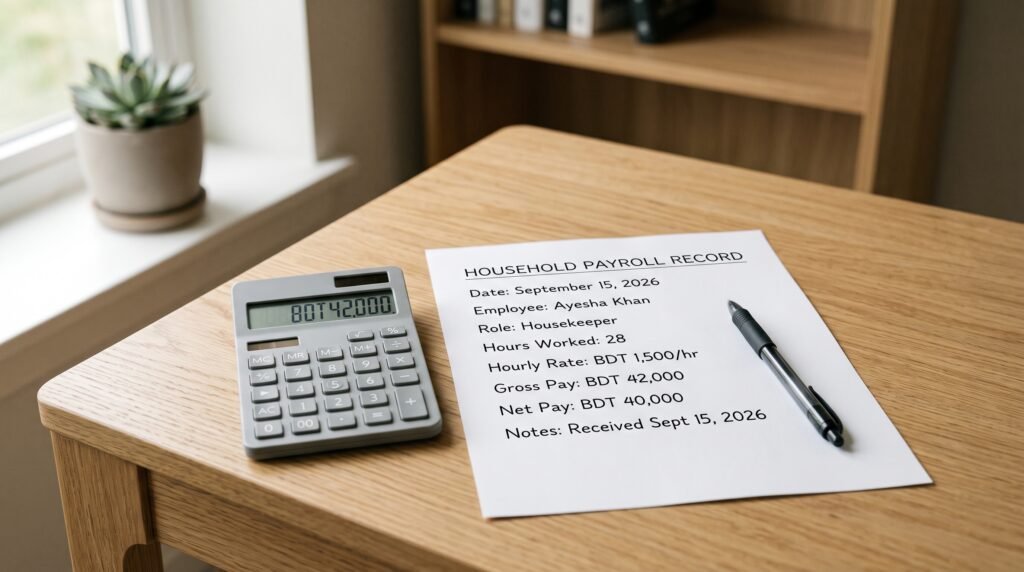
A nanny who has supported your family through multiple years of milestones and overnight shifts naturally warrants a higher end-of-year figure. Furthermore, your bonus serves as a direct reflection of job performance and dedication.
Pairing your year-end financial bonus with a structured evaluation meeting is a wonderful way to align goals. Review our guide on conducting a nanny performance review.
Important Tax Rules for Household Bonuses
One common mistake household employers make is assuming a holiday bonus is treated like a tax-free gift.
Under official regulations from the Internal Revenue Service, any cash bonus or financial gift provided by an employer to a domestic worker is considered taxable income. That means year-end bonuses must be processed through your payroll provider and subjected to proper tax withholding just like regular wages.
For a broader overview of how to manage payroll compliance and employer obligations correctly, check out our guide on nanny overtime laws and tax compliance.
Frequently Asked Questions
While physical gifts and handmade cards from children are deeply appreciated, cash or gift cards are standard components of a professional holiday bonus.
No. Bonuses are entirely discretionary and depend on family budget and performance, though they are customary in professional markets.
If your nanny started right before the holidays a small cash gift and a thoughtful handwritten card are appropriate until they complete a full year of service.
Present the bonus check or cash in a sealed card alongside a heartfelt note expressing gratitude for their hard work during the year.
Conclusion
Rewarding your caregiver with a thoughtful holiday bonus is a wonderful way to foster a strong and lasting professional relationship. When you want guidance on structuring fair compensation packages or finding elite childcare professionals for your family, you can easily connect with our team directly through our contact page to begin your journey with Inhome Care Solutions.