
The shift to remote work permanently changed how modern families manage their daily lives. Having your professional career and your childcare operating under the exact same roof sounds like the ultimate productivity hack. You get to skip the dreadful morning commute, drink coffee from your own kitchen and hear your baby laughing down the hall.
However, anyone who has tried to host a critical Zoom presentation while a toddler throws a tantrum right outside the door knows the reality is much more complicated.
Working from home with a nanny requires an entirely different set of rules compared to leaving for a corporate office. If you do not establish clear boundaries your child will become confused, your nanny will feel micromanaged and your own work productivity will plummet. In this guide we will walk through how to navigate physical workspaces, master the art of the invisible parent and set your household up for total success.
Why Work-From-Home Boundaries Matter
Children struggle to understand the concept of a parent who is physically present but emotionally unavailable. To a toddler a parent sitting at a kitchen laptop is simply a parent who is choosing to ignore them.
This dynamic leads to constant interruptions and behavioral acting out. Furthermore, your caregiver needs the authority to run the day effectively. If you constantly swoop in to break up sibling fights or soothe every cry you unintentionally undermine their authority. Outlining your daily presence should begin the moment you draft your initial nanny job description so candidates know exactly what environment to expect.
Establishing Physical Office Zones
The single most effective way to separate your work life from your home life is establishing a dedicated physical workspace.
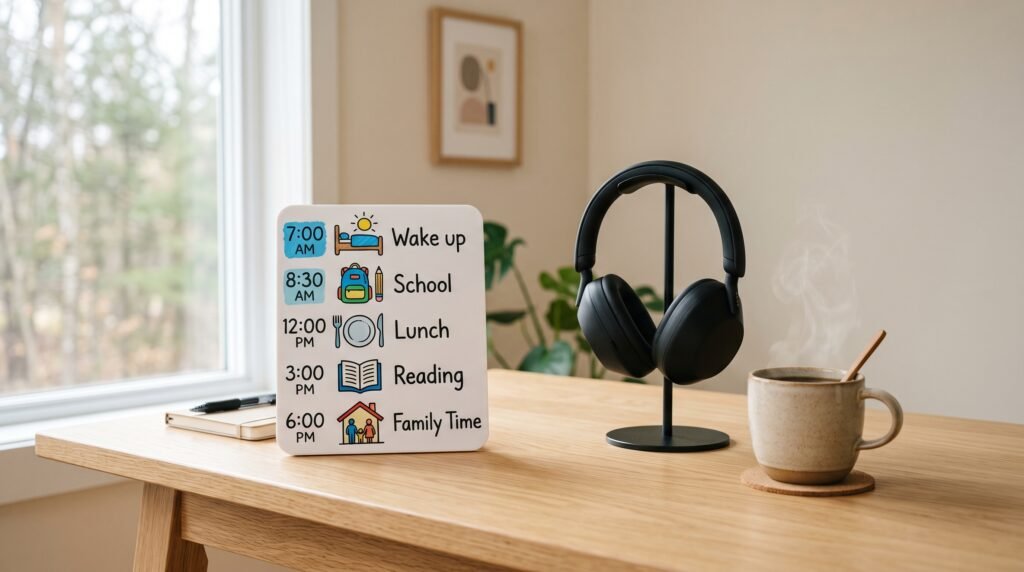
Working from the living room sofa while your nanny tries to facilitate playtime nearby is a recipe for disaster. According to workplace productivity research from the Society for Human Resource Management, remote employees require distinct environmental separation to maintain focus. Set up your office behind a closed door. If you live in a smaller space invest in a quality pair of noise-canceling headphones and designate a specific corner that your children know is strictly off-limits during working hours.
Mastering the Art of the Invisible Parent
When you are in your office you need to act as if you have left the building entirely.
If you hear your baby crying because they dropped a toy your natural parental instinct will scream at you to rush into the room. You must resist that urge. Let your caregiver handle the situation just as they would if you were commuting downtown. If you need to walk through common areas to grab a snack or use the restroom try to coordinate those movements by sending a quick text message to your nanny first.
If you are struggling with these habits discuss them openly during a scheduled nanny performance review to figure out a better communication system together.
How to Handle Scheduled Visits
You do not have to hide in your office all day like a hermit. The beauty of working from home is the ability to connect with your kids during the day. The key is making those interactions predictable.
Schedule specific visiting times that align with natural transitions. Joining the family for a thirty-minute lunch break or reading a quick book right before afternoon naptime provides a wonderful point of connection. Family care experts at Care.com emphasize that predictable routines help children transition smoothly when it is time for you to go back to work.
Frequently Asked Questions
Establish a clear communication protocol. Most families prefer a text message for non-urgent questions and a physical knock on the door only for genuine emergencies.
Keep your exits brief and confident. Lingering only prolongs the separation anxiety. A quick hug and a cheerful goodbye signal to your child that they are safe with their caregiver.
Yes. Share your calendar or give your nanny a heads-up about important calls so they can schedule outdoor play or a quiet craft activity during that specific window.
No. Working alongside a parent does not decrease the caregiver’s workload. Standard compensation and benefits outlined in your nanny contract remain exactly the same.
Conclusion
Successfully navigating a remote work setup with an in-home caregiver requires discipline, mutual respect and proactive communication. When everyone understands their role the entire house transforms into a peaceful and productive environment. When you are ready to explore your childcare options or find elite professionals who excel in work-from-home settings, you can easily connect with our team directly through our contact page to begin your journey with Inhome Care Solutions.