

Mention the words tax compliance at a dinner party and watch half the room instantly zone out. Bring up household payroll rules and nanny overtime regulations to a new parent and you will witness sheer panic.
Hiring an inhome caregiver means stepping into the role of a legitimate household employer. That title comes with legal responsibilities that cannot be swept under the rug with cash app payments or informal handshake agreements.
Understanding nanny overtime laws is non-negotiable if you want to keep your household legally protected. In 2026 federal and state labor departments enforce strict rules regarding domestic employment. In this guide we will break down how overtime works, why W2 compliance matters and how Inhome Care Solutions helps you navigate payroll with total confidence.
In short: yes absolutely. Under federal guidelines nannies are classified as non-exempt hourly employees.
Unlike salaried corporate desk workers who might work late without extra pay, domestic workers are legally protected by the Fair Labor Standards Act. If your nanny works more than forty hours in a single workweek they must be paid time-and-a-half for every single hour worked past that threshold.
If you are still setting up the foundational paperwork for your caregiver make sure to review our comprehensive guide on nanny contracts.
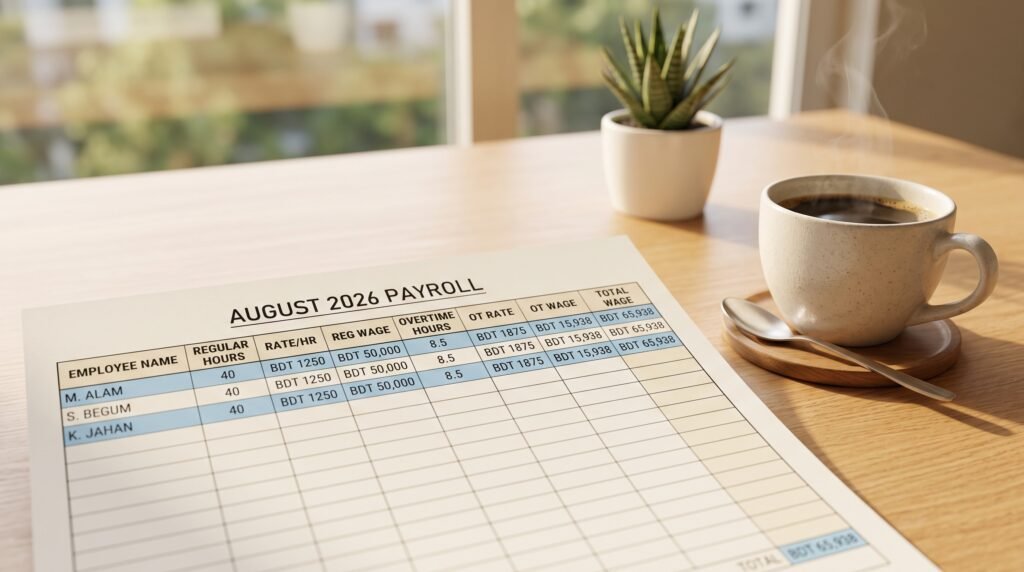
Calculating overtime requires tracking your workweek strictly rather than looking at a monthly calendar.
A workweek is defined as any fixed and recurring seven-day period. If your regular hourly rate is twenty dollars per hour your overtime rate for any hours worked beyond forty in that specific week becomes thirty dollars per hour. Live-in nannies may be subject to different state-specific rules regarding sleep time and hourly tracking so always consult local municipal laws.
To ensure your overall benefits and time-off policies align with legal standards check out our guide on nanny PTO and sick leave.
Treating your nanny as an independent contractor who receives a 1099 tax form at the end of the year is illegal under federal tax law.
Because you set the schedule, provide the workspace and dictate how tasks are completed your nanny is legally your employee. Household employers must issue a W2 form, withhold Social Security and Medicare taxes and pay federal and state unemployment taxes.
- Paying a Flat Weekly Salary: Offering a flat weekly rate regardless of hours worked violates overtime laws if total hours exceed forty.
- Failing to Track Hours: Relying on memory instead of a digital time-tracking app leads to wage disputes and calculation errors.
- Ignoring State Labor Laws: Some states mandate overtime after fewer than forty hours or require overtime for live-in employees.
Frequently Asked Questions
Yes in many jurisdictions live-in nannies are entitled to overtime pay though rules regarding hours and sleep time vary significantly by state.
No. Compensatory time off or banking hours across different workweeks is illegal for hourly domestic workers under federal guidelines.
Using a specialized household payroll service automates tax withholding, W2 generation and overtime calculations effortlessly.
Failing to comply with domestic labor laws can result in severe back-pay penalties, interest fees and legal audits from labor departments.
Conclusion
Navigating household payroll and overtime regulations ensures your family stays protected while providing fair compensation for your caregiver. When you want to build a transparent employment structure that honors legal standards and attracts elite talent, you can easily connect with our team directly through our contact page to begin your journey with Inhome Care Solutions.